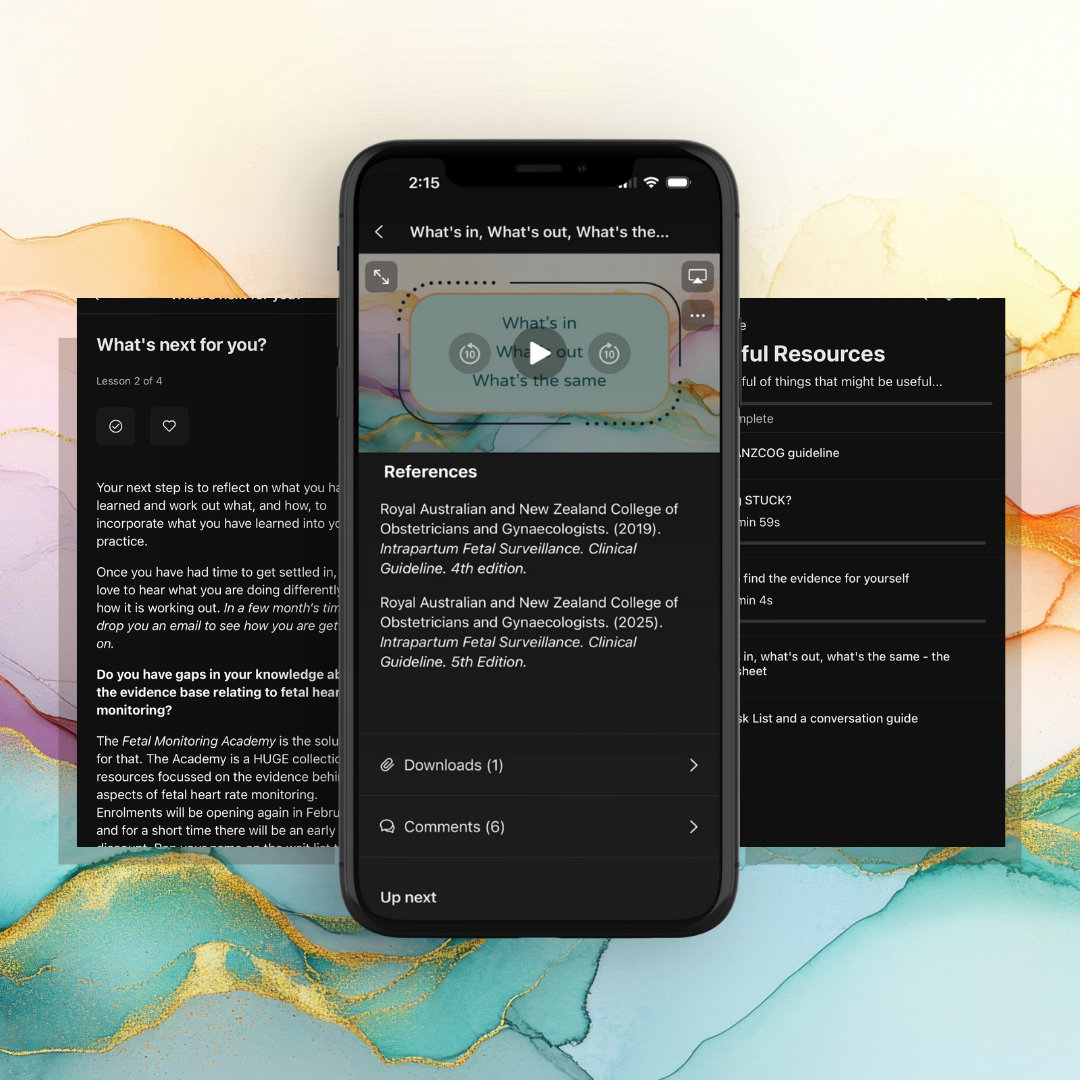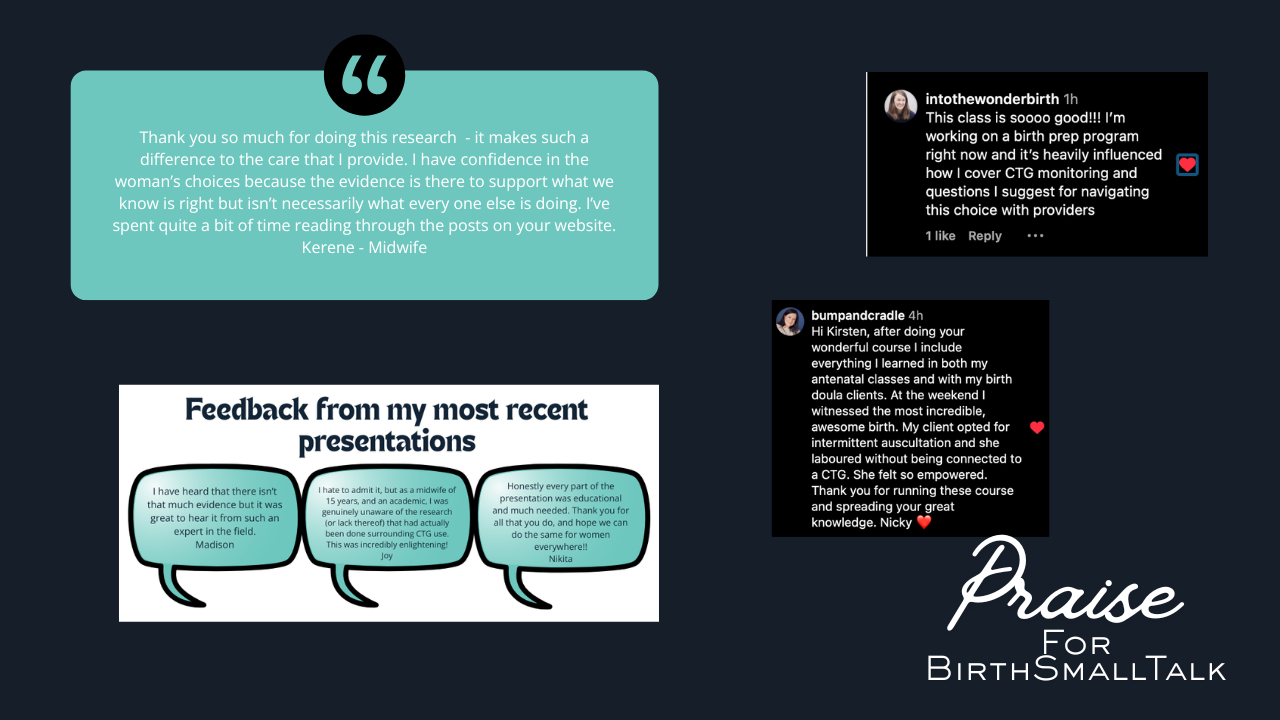
Why it is all about the guidelines....
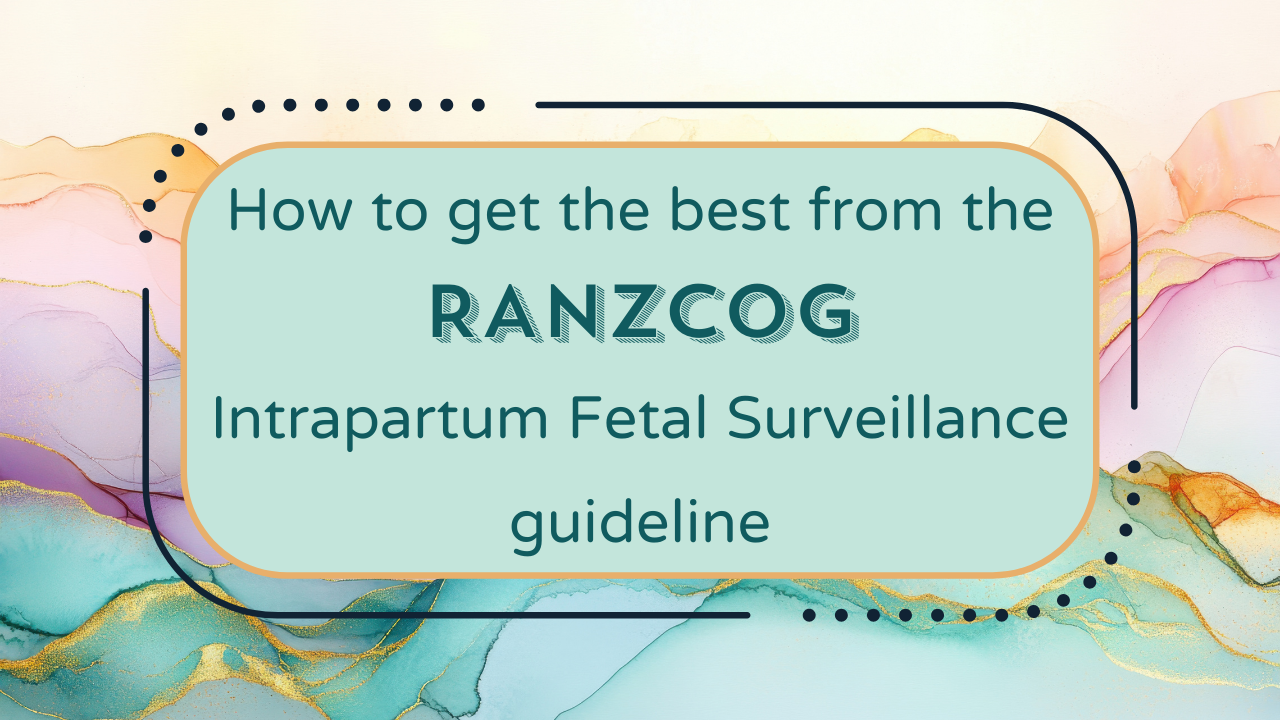
Fetal monitoring guidelines can end up feeling like hard and fast rules when they should help support good practice instead. There's plenty of research - including recent Australian studies - showing women are not always given accurate information or a choice about their fetal monitoring options. One of the key forces that drives this has been the RANZCOG fetal monitoring guideline.
Recent changes to the RANZCOG guideline potentially alleviate some significant challenges for midwives when counselling women about fetal monitoring options. But you need to know what to look for and how to apply the changes locally.
I know the guideline inside out. I analysed it for my PhD. I've reviewed each of the two updates since in detail, and written about it on my blog. And, I also know the evidence-base for fetal monitoring like no one else.
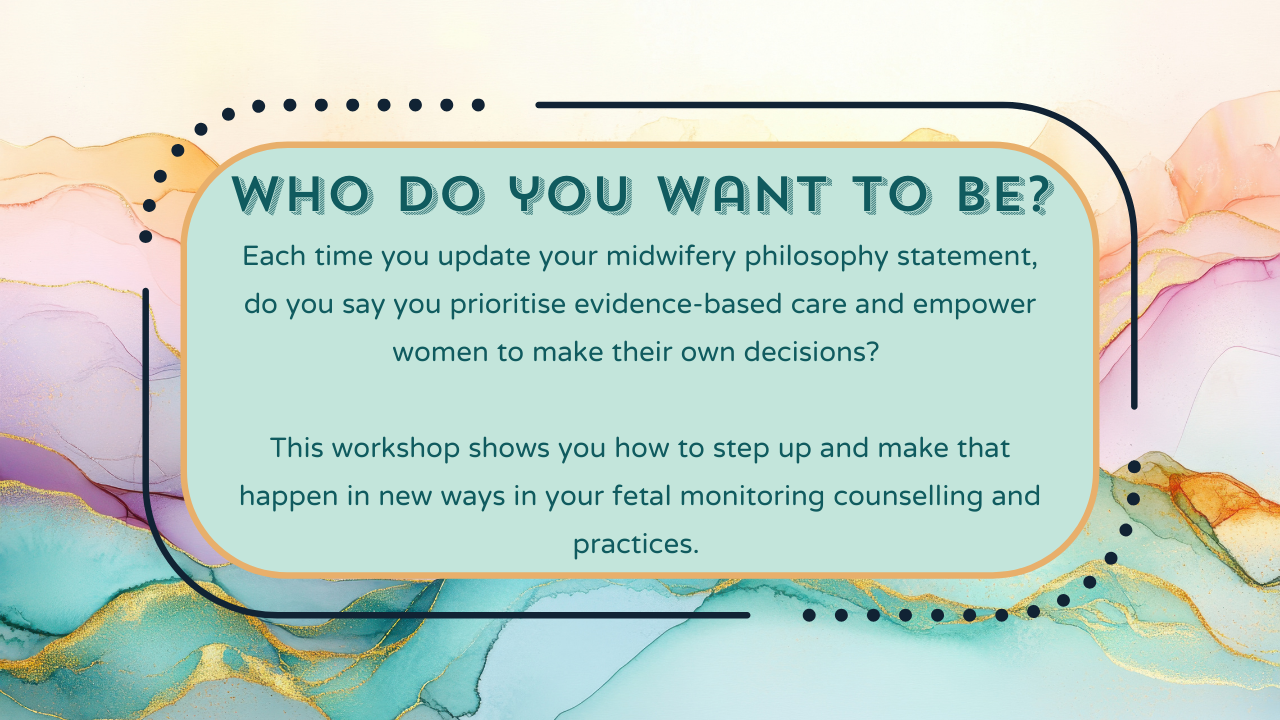
I want to help you step into a new era of professionalism relating to fetal monitoring practice - one that is genuinely evidence-based and woman-centred.
Hi - I'm Dr Kirsten Small
I'm a retired obstetrician with a PhD in fetal monitoring. I'm an experienced researcher and educator. I have devoted much of the past decade to understanding, building, and sharing the evidence about fetal heart rate monitoring.
Now I use what I have learned to help you to make maternity care better. I'll share with you my detailed working knowledge about how to critically read guidelines, apply them in your practice, and improve your local health service policies.

Enrol now!
You can access the immediately and your access will last for 12 months. There is plenty of time to watch - and rewatch - the workshop.
Sign me up!